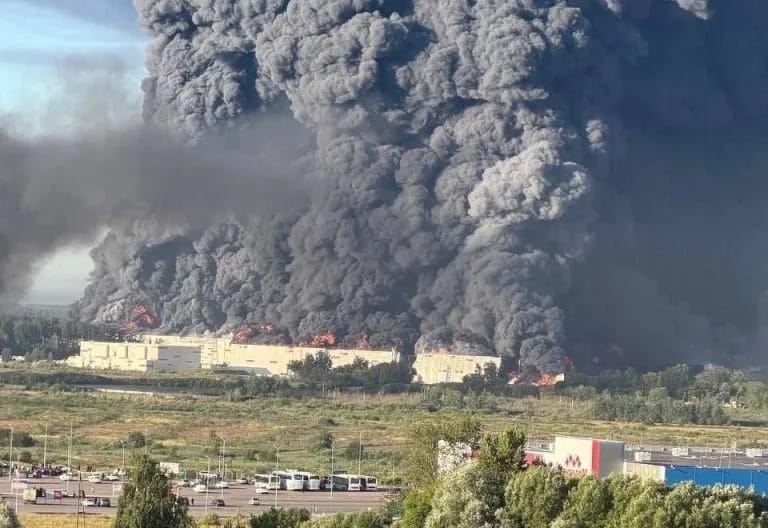
The Government of Kenya has formally condemned recent missile and drone attacks by Houthi forces targeting Saudi Aramco energy infrastructure in Saudi Arabia, warning that disruptions to Gulf petroleum supplies pose a direct threat to East Africa’s economic stability.
In a statement released by the Ministry of Foreign Affairs, Nairobi emphasized that escalations along Red Sea shipping channels and energy production nodes directly inflate landed petroleum costs for non-oil-producing African nations.
Safeguarding Maritime Supply Chains
"Attacks on commercial energy infrastructure and international shipping lanes jeopardize global fuel stability and place an unfair inflationary burden on developing economies," the Ministry noted.
The diplomatic intervention highlights growing domestic anxiety over global crude prices:
Landed Cost Spikes: Import costs for super petrol and diesel have risen steadily due to higher maritime insurance premiums around the Arabian Peninsula.
Domestic Inflation: EPRA’s recent price revisions have already triggered transport fare adjustments across major urban transit corridors.
“Nairobi has issued a diplomatic statement warning that strikes against Gulf oil facilities directly endanger East Africa’s economic stability and landed fuel prices.”
Bilateral Energy Relations: Kenya relies heavily on Gulf supply agreements to maintain its 30-day commercial fuel buffer.
Regional Response: Other East African Community (EAC) member states are reviewing fuel import stabilization mechanisms.
Economic Monitoring: Treasury officials are assessing the impact of higher landed fuel costs on national inflation targets for the fourth quarter.
Keep up with global diplomatic developments on our Explainers section.
How we reported this
Sourced directly from diplomatic dispatches issued by the Ministry of Foreign and Diaspora Affairs in Nairobi.